Table of Content
You can plant plants exclusively in coconut husk chips or mix the chips with soil or your preferred potting mix. People often combine coconut husk chips with coco peat, peat moss, vermiculite, orchid fir bark, sponge rock, charcoal, tree fern fiber, and other growing solutions. Mixing coconut bark chips with other growing products boosts the nutrient levels of your growing solution. Coconut husk chips provide the excellent structure and aeration that bark growing mediums provide while improving moisture retention. Unlike peat moss, coconut husk chips attract rather than repel water. They can actuallyhold up to 10 times their weight in water, so gardeners can water their plants less often.
The third water culture method is called Semi-Hydroponic. In this method, something such as Leca pebbles or Lava rocks are added in the container. If the container is made of plastic, you can add a few air-holes just above the water level. In this method, the roots don’t touch the water itself but suck in the moisture from the clay pebbles or lava rocks. Therefore, because orchids do not have the same roots as terrestrial plants do, ordinary soil is not suitable for growing orchids.
Coconut Husk Chips Wholesale Inquiries
Put your plant in your preferred pot or container, then squeeze the excess water out of your coconut chip mix and add this to your pot. Make sure to fill in all the space around your plant’s roots. Once you’re done, water the plant to settle your coconut bark chips.

Therefor, their roots need air to breath to ensure the plants stay alive and healthy. In an industrial setting, machinery holds the coconuts in position while sharpened points work the husks free. Coconut husk chips allow for better aeration and water flow to plants and are ideal for soilless plants such as orchids.
What is coconut husk chips?
Commonly mixed with coconut fiber growing medium to improve aeration for plants. Pink Leaf Wholesale coco husk chips contain no salt and are extremely clean. Our coco chips come from mainland coconuts and not coastal so they have a much lower salt content then usual, the less salt the better. Hydrate the needed amount by soaking overnight in water. Plant the orchid in a clean pot using the coconut husk chips as the potting medium.
To begin the husking, the individual should grasp the coconut firmly with both hands and slam the body onto the sharpened point of the stick. This action will help to pierce the coconut husk and lift up a small section of the outer husk. Using one hand, he or she should peel the released husk away from the body of the coconut, repeating the process until the husk is completely removed.
How to Plant an Orchid Keiki
Whenever orders come, we always work at the highest productivity in order not to be late for the shipment and make our customers wait even for a minute. This method allows you to have a different kind of orchid experience. You could try with just one Phalaenopsis orchid first and see how it goes. It might not be your thing, but you won’t know for sure until you try it for yourself.
So I don’t recommend using cactus soil for your orchids. It’s pretty much the exact opposite of what Phalaenopsis orchids need. All you need is coconut shells and tools to break them with. After this, let them soak in water for about 7-10 days.
Leca BallsPerliteSphagnum Moss
Use sandpaper to sand the entire surface of the shell halves, until smooth. You can use medium-grit sandpaper for the outside of the bowl and work very lightly if you don't want to ruin too much of the natural pattern. When making bowls, it's best to use a small handsaw to cut the coconut precisely in the middle. Many other methods of opening the coconut, may end up in uneven sides.
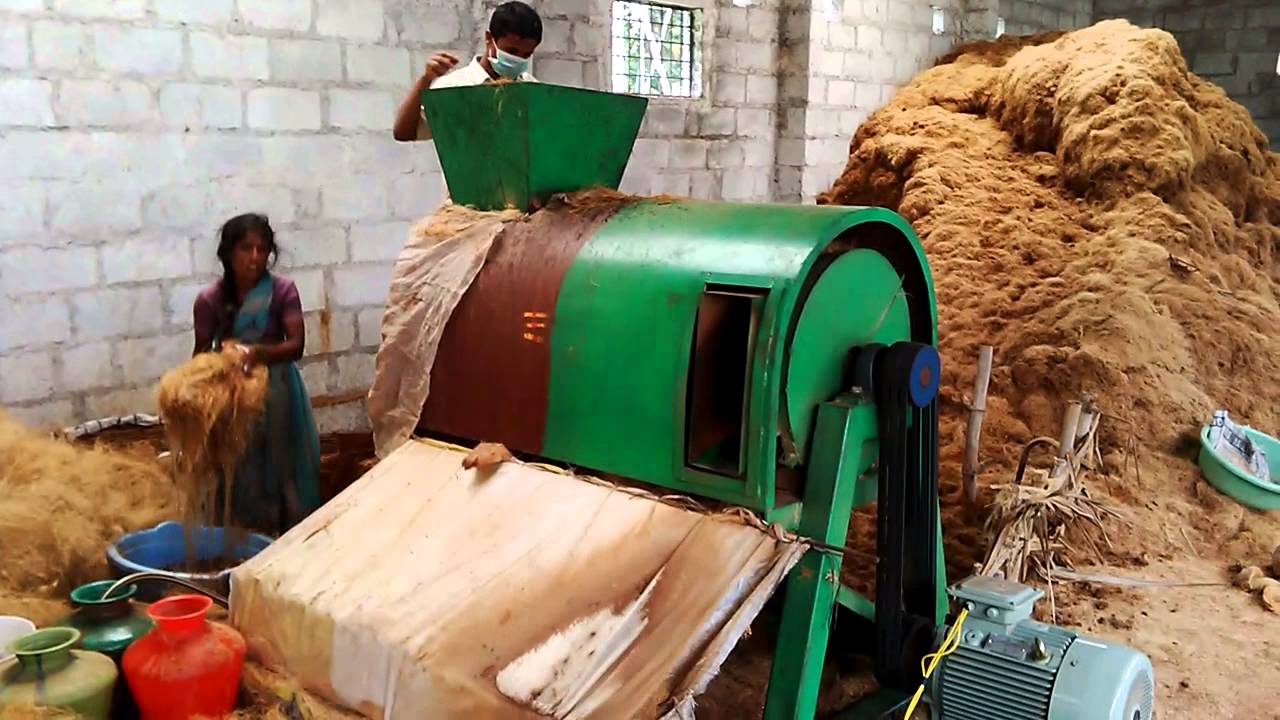
Coconut husk chips are natural moist keeper which distributes water evenly and resists excess saturation. It can also prevent insects and harmful fungi, which creates a favorable environment for plants to grow. Due to its unique properties, coconut husk chips are becoming more popular among orchid growers as an ultimate alternative for bark-based growing medium. Pay attention to the labels when you’re buying coconut husk chips. There are products labeled for garden, ornamental, and hydroponic use.
You can also find the pre-washed husk chips in bags though, but it’s always good to have more options to choose from. Coconut husk chips are a great alternative to bark, rockwool, and clay growing mediums, as they have a relatively neutral pH of between 5.2 and 6.8. They’re perfect for growing plants that thrive when their roots are moist but not saturated, such as orchids, succulents, kalanchoes, anthuriums, and bromeliads. These plants are also notoriously fussy about fertilizers.
DTE Coconut Husk Chips are an environmentally friendly, renewable resource that is easy to use and completely biodegradable. Visit the websites of companies manufacturing coconut bark chips and read up on their processes. Look for manufacturers that take control of the entire process, from harvest to shipping. Select a coconut husk chip brand that makes you feel confident they care about delivering the best product to you. If you’re not confident making the decision yourself, read user reviews and ask the staff members at your local garden shop for advice. After maturing them, most manufacturers test their coconut bark chips.
Small handsaw – can be bought very cheaply online or from local DIY stores. Mature Coconut/s – It’s best to choose ones that have slightly flatter ends, to balance easier and nicely round-shaped. Plus, ones that don’t have too much of the outer fibrous husk. Also, drill 2-3 holes on the sides so you can hang the shell with some string or wire from the sealing/shelf.

Coconut bark chips are also rich in the nutrients plants need. They retain calcium and magnesium but slowly release potassium and nitrogen to aid plant growth. They’re also high in lignins, which encourage the growth of good bacteria. Coconut chips are often washed with fresh water to lower their sodium levels. They’re then dried out in the sun to reduce their moisture content.




No comments:
Post a Comment